How to Find a Manufacturer That Makes Shoes?

Time:2026-10-17 Author:Sienna
0%

Finding a manufacturer that Makes Shoes is not a simple search for the lowest quotation. It is a decision about materials, quality, capacity, communication, and risk.

The World Footwear Yearbook 2024 reported approximately 23.9 billion pairs of shoes were produced globally in 2023. Asia represented about 87% of worldwide production. These figures show the industry’s scale, but they do not guarantee a suitable factory. A large supplier may reject small orders. A smaller workshop may offer better attention, yet struggle with repeat production. The details matter.

Start with a clear technical package. Include sketches, measurements, materials, sole construction, colors, packaging, and target quantities. Then request factory certifications, production photographs, sample timelines, defect policies, and recent customer references. Do not rely on polished websites alone. A clean showroom can still hide weak quality control.

Matt Priest, president and CEO of the Footwear Distributors and Retailers of America, has said, “The footwear industry is a global industry, and we are all connected.” His observation reflects a practical truth: reliable sourcing depends on transparent relationships, not distance alone.

Ask difficult questions early. Who owns the molds? Where are materials sourced? How are failed samples recorded? What happens when production falls behind? These questions may feel uncomfortable.

They are necessary.

Inspect the sample by hand. Bend the sole. Check stitching around the collar. Compare left and right shoes. A manufacturer that Makes Shoes should explain problems clearly, not simply promise perfection. No sourcing method is flawless, and even experienced buyers can overlook warning signs. The strongest process leaves room for verification, correction, and honest reconsideration.
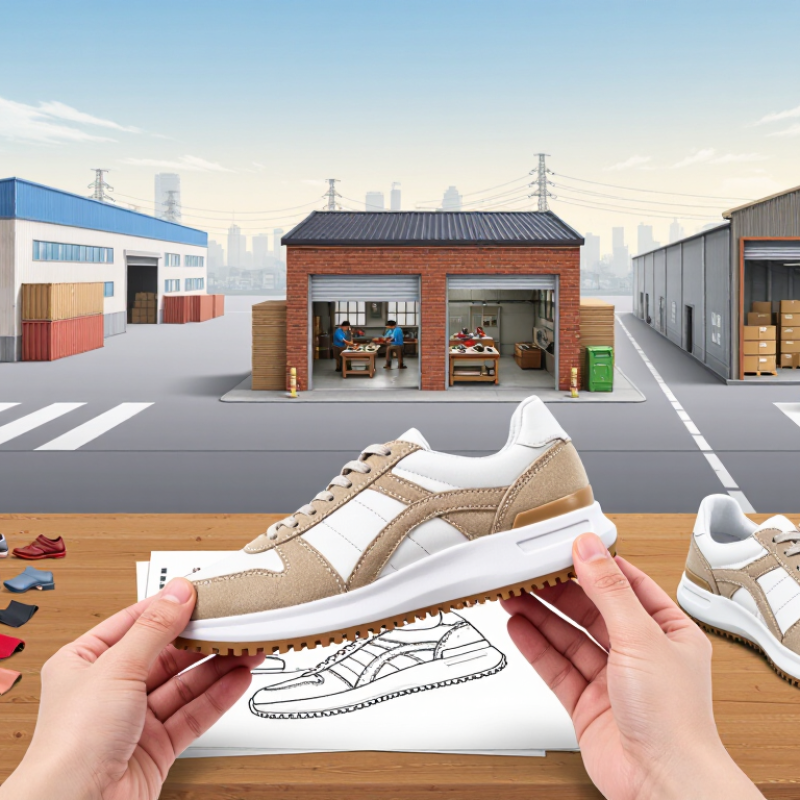
How to Find a Manufacturer That Makes Shoes?

Define Your Shoe Product and Manufacturing Requirements

How to Find a Manufacturer That Makes Shoes?

Define Your Shoe Product and Manufacturing Requirements

Finding a suitable shoe manufacturer starts with a precise product brief. Define the shoe type, target customer, price range, and expected order volume. Add measurable details, including upper material, sole compound, stitching density, color references, size range, and packaging needs.

The World Footwear Yearbook 2024 reports that global footwear production fell to about 22.4 billion pairs in 2023. This scale creates many manufacturing options, but capacity does not guarantee quality. A factory must understand your construction method and testing expectations. Specify flex testing, slip resistance, bonding strength, colorfastness, and wear performance. ISO 2859-1 can guide your acceptance sampling plan. Keep these requirements inside the technical pack, not only in emails.

My first product brief was too broad. I focused on appearance and ignored production tolerances. That caused avoidable sample revisions. A better approach is building a reference sample with labeled components and measurements. Ask the manufacturer to confirm mold ownership, minimum order quantity, lead time, sample fees, and inspection stages. Request evidence of similar production experience, not vague promises.

Tips

Use a one-page requirement sheet before contacting factories. Separate essential features from preferences. Send the same brief to every candidate, then compare quotations fairly. Test samples after realistic use, including walking on wet and uneven surfaces. A polished sample can still hide weak bonding or uncomfortable pressure points. Leave room for revision; early assumptions are often wrong.

Research and Compare Potential Shoe Manufacturers

How to Find a Manufacturer That Makes Shoes?

Research and compare potential shoe manufacturers before discussing price. The World Footwear Yearbook 2024 reports approximately 23.9 billion pairs were produced globally in 2023. Asia represented about 87% of that output. This scale creates choices, but it also hides quality differences. Build a shortlist of three to five factories with proven experience in your shoe category. Request production photos, sample timelines, minimum order quantities, and recent quality records. Do not trust polished presentations alone.

Ask each manufacturer to quote identical specifications. Include upper materials, sole compounds, packaging, testing, tooling, and shipping terms. Compare landed cost, not only the factory price. Request a physical sample and inspect stitching, bonding, symmetry, odor, and comfort after repeated wear. Small flaws matter. The International Trade Centre notes that footwear supply chains involve multiple production stages and cross-border risks, making documentation and traceability important. Check material origins, production capacity, worker safety procedures, and quality-control checkpoints.

Use a scoring sheet with measurable categories. Score communication, sampling accuracy, defect rates, lead time, payment terms, and corrective-action speed. A factory that answers quickly may still miss details. I learned that the cheapest quote often becomes expensive after revisions and delays. Yet supplier claims also require testing. Consider an independent factory audit and laboratory verification before placing a large order. Keep a written record of every change. Insist on clarity.

Verify Factory Capabilities, Certifications, and Experience

Finding a shoe manufacturer starts with evidence, not attractive photographs or confident promises. Ask for a clear factory profile, production address, equipment list, and monthly capacity. Request a live video tour when an in-person visit is impossible. Look closely at cutting tables, stitching lines, lasting machines, and finishing stations. A crowded floor may reveal capacity pressure. Ask how many pairs the factory produces weekly and how it handles peak orders. If answers stay vague, pause.

I once accepted a sample too quickly and later discovered that the factory outsourced important stitching work. That mistake taught me to verify every production step.

Verify certifications by requesting current copies, issuing organizations, certificate numbers, covered processes, and expiration dates. Check whether the documents match the factory’s legal name and actual location. Certifications matter only when daily practices support them. Ask for testing reports covering sole adhesion, flexing, color transfer, and material safety. Confirm the laboratory identity and test dates. Experience should match your product type, not just the factory’s age. Request photos of similar shoe constructions and ask who will manage development, sampling, and quality inspection. Speak with recent customers when possible. A factory may claim twenty years of experience but assign an inexperienced team to your order. Visit the site if practical, inspect production records, and compare promised capacity with visible resources. Leave room for doubt. A smaller supplier with transparent answers may be more reliable than a larger factory with unverifiable claims.

Request Samples, Review Quality, and Confirm Production Terms

How to Find a Manufacturer That Makes Shoes?

Requesting samples is the clearest way to judge a shoe manufacturer. Ask for two versions with different materials, stitching, or sole designs. Details matter. Check the sample’s weight, flexibility, surface finish, edge paint, and overall symmetry. Wear each pair on different surfaces. Walk, bend, and inspect the lining after several hours. A photo can hide uneven seams or uncomfortable pressure points.

My first quality checklist was too short. I focused on appearance and missed heel stability. That mistake taught me to test samples like real customers would. Ask the manufacturer for material specifications, size tolerances, inspection procedures, and production photographs. Compare the approved sample with later revisions. Small changes can affect fit. If defects appear, record clear photos and describe the problem precisely. Vague feedback wastes time.

Production terms deserve equal attention. Confirm minimum order quantities, sample charges, tooling costs, payment stages, lead times, packaging, and replacement procedures. Put every agreement in writing. Ask how the factory handles delayed materials or failed inspections. A reliable manufacturer should answer directly and provide consistent records. Do not accept unclear promises. I still review terms twice, because an attractive unit price can hide expensive revisions. Leave room for realistic testing, since rushed approval often creates avoidable quality problems.

Finalize Pricing, Contracts, Quality Control, and Shipping Plans

Choosing a shoe manufacturer is only half the work. Pricing, contracts, quality control, and shipping plans decide whether production stays reliable.

Before approving samples, request a detailed quotation. It should separate materials, labor, packaging, tooling, inspection, and freight. Confirm minimum order quantities and payment stages. Ask how price changes affect future orders. A low quote can hide expensive revisions. I learned that unclear material specifications often create avoidable costs.

Put every agreement in writing. Include approved sample references, production deadlines, defect limits, replacement procedures, and ownership of molds or patterns. Quality control should cover sizing, stitching, bonding, color, comfort, and packaging. Use measurable standards, not vague promises. Consider inspections before production, during assembly, and before shipment. Keep dated photos and inspection reports. Small records matter.

Tips: Test several pairs from one production batch. Check them under normal walking conditions. Do not rely only on factory photographs. Shipping plans should state carton dimensions, weights, delivery terms, insurance responsibilities, and required documents. Build time for customs delays and rework. My own planning has sometimes been too optimistic, especially during peak seasons. A practical buffer is safer than a perfect-looking schedule. Ask the manufacturer to confirm capacity in writing before accepting customer orders.

FAQS

How many potential shoe manufacturers should I compare?

Build a shortlist of three to five factories with relevant shoe-category experience. Ask each factory for production photos, sample timelines, order minimums, and recent quality records. A polished presentation proves little.

What information should every price quotation include?

Send identical specifications to every factory. Include upper materials, sole compounds, packaging, testing, tooling, and shipping terms. Compare landed cost, not only the unit price. This prevents misleading comparisons.

How can I judge a manufacturer’s sample quality?

Request physical samples, preferably with different materials, stitching, or sole designs. Check weight, flexibility, surface finish, edge paint, symmetry, and bonding. Wear each pair for several hours on different surfaces. Photos miss pressure points.

Which shoe details deserve close inspection?

Inspect stitching, heel stability, lining, odor, comfort, and sole attachment. Walk, bend, and examine the lining after repeated movement. Small flaws become painful during daily wear. My first checklist missed heel stability.

What documents and production information should I request?

Ask for material specifications, size tolerances, inspection procedures, and production photographs. Check material origins, production capacity, safety procedures, and quality-control checkpoints. Written records support traceability. Do not rely on memory.

How should I score different manufacturers?

Use measurable categories, including communication, sample accuracy, defect rates, lead time, payment terms, and corrective-action speed. Record each score consistently. Fast replies can still hide missed details. Review the evidence twice.

What production terms must be confirmed before ordering?

Confirm minimum order quantities, sample charges, tooling costs, payment stages, lead times, packaging, and replacement procedures. Ask how delayed materials or failed inspections will be handled. Put every agreement in writing. Vague promises create expensive revisions.

Should I arrange an audit or laboratory verification?

Consider an independent factory audit and laboratory verification before placing a large order. Test materials and finished samples against agreed specifications. Keep room for realistic testing. Rushed approval can create avoidable quality problems.

Conclusion

Finding a manufacturer that Makes Shoes requires careful planning, research, and clear communication. Begin by defining your product specifications, including shoe type, materials, sizes, design details, target quantity, budget, and expected delivery schedule. With these requirements prepared, research potential manufacturers and compare their production experience, equipment, minimum order quantities, communication standards, and ability to meet your specific needs.

Before making a decision, verify each factory’s capabilities, certifications, quality systems, and experience with similar products. Request samples to evaluate construction, comfort, materials, finishing, and consistency. Discuss pricing, payment terms, production timelines, revisions, packaging, and quality inspection procedures in detail. Once the sample and terms are approved, finalize a written agreement covering product standards, responsibilities, delivery conditions, and quality control checkpoints. A reliable shipping plan should also address documentation, packaging protection, transportation arrangements, and contingency options. This structured process can help reduce risks, improve product consistency, and build a productive long-term manufacturing relationship.

Sienna

Sienna

Sienna is a skilled marketing professional with a deep expertise in our company’s core products and services. With a passion for innovation and detail, she plays a pivotal role in crafting insightful blog posts that not only highlight the unique features of our offerings but also provide valuable......