10 Best Shoe Makers for Global Buyers

Time:2026-10-12 Author:Liam
0%

Choosing reliable Shoe Makers is rarely as simple as comparing logos or factory photographs. Global buyers must examine craftsmanship, material traceability, production capacity, pricing, and communication. A polished website can hide inconsistent stitching, unclear sourcing, or weak quality control. That risk deserves attention.

This guide presents ten respected shoe makers for international buyers. The selection considers manufacturing experience, design capability, export readiness, minimum order quantities, and documented quality procedures. It also considers whether each company can handle different needs, from private-label sneakers to handmade leather footwear. Sample development, factory audits, and written specifications remain essential before signing any agreement.

Details matter.

A buyer should inspect heel alignment, outsole bonding, edge finishing, and insole comfort. These small points often reveal a maker’s real discipline. Sustainable materials also require evidence, not attractive promises. Certifications, supplier records, packaging practices, and labor standards should be reviewed where available. Requirements differ across markets, so buyers must confirm applicable labeling and product-safety rules independently.

Designer Christian Louboutin once said, “A shoe has so much more to offer than just to walk.” That idea captures the industry’s wider responsibility. Shoes communicate identity, but they also reflect engineering, labor, and resource choices. The makers featured here show strong potential, yet none should be treated as automatically perfect. Even experienced suppliers can miss deadlines, misunderstand specifications, or struggle during rapid growth. Careful sampling, staged payments, and consistent inspections can reduce those problems. This overview is a practical starting point, not a substitute for buyer verification.
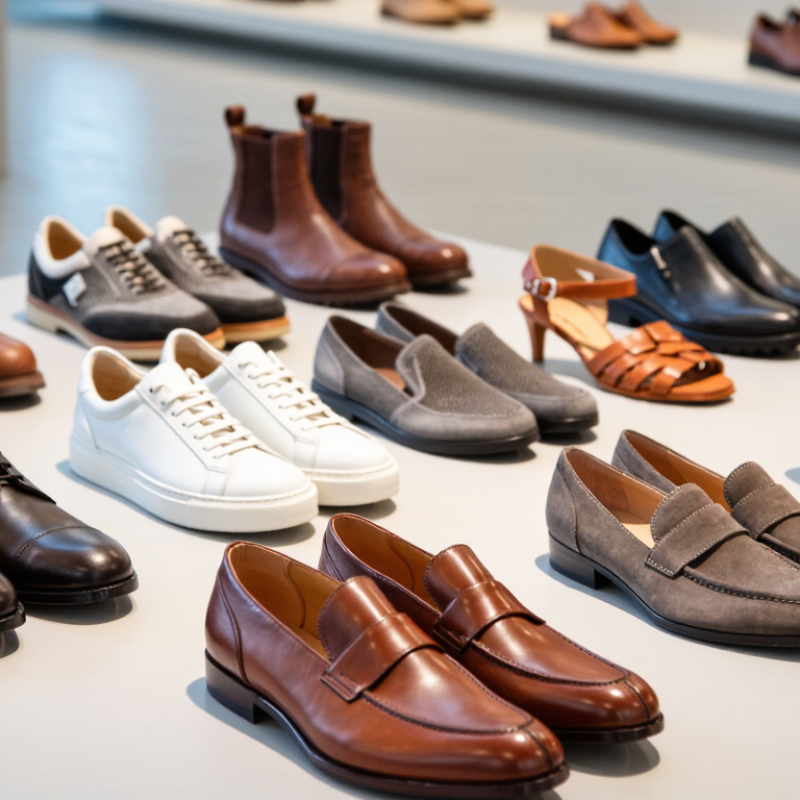
10 Best Shoe Makers for Global Buyers

What Defines a Reliable Shoe Maker for Global Buyers

A reliable shoe maker for global buyers needs more than attractive samples. It must prove repeatable quality, transparent sourcing, and dependable communication.

The World Footwear Yearbook 2024 reported about 22.4 billion pairs produced globally in 2023, a decline of roughly 6% year on year. This volatile market makes production stability especially important.

Look for documented inspections at cutting, stitching, assembly, and packing stages. Ask for measurable details, including material thickness, bonding strength, size tolerance, carton durability, and pre-shipment defect rates.

A capable factory should explain its testing methods and corrective actions without vague promises. ISO 9001 certification can support process control, but certification alone does not guarantee excellent shoes. Independent testing still matters.

I have seen promising samples fail after repeated flexing. That gap deserves attention.

Tips:

Request a small pilot order before committing to large volumes. Compare the approved sample with production pairs under natural light.

Check color variation, uneven stitching, odor, sole adhesion, and label accuracy. Ask for production photos, inspection records, and realistic lead times.

The International Trade Centre highlights traceability and supplier transparency as important factors in resilient international trade. However, buyers should verify every claim. A polished factory profile is not evidence. Clear records are. Reliable makers also disclose limitations, such as seasonal capacity or material shortages, instead of accepting every order.

Key Criteria for Evaluating International Shoe Manufacturers

Choosing the best shoe maker requires more than comparing online catalogs. International buyers should examine production evidence, communication, and quality controls. Request recent factory photos, material specifications, and a physical sample pair. Inspect stitching, edge paint, sole bonding, and interior finishing. Ask whether skilled workers or automated lines handle each process. A polished website is not proof.

Capacity and consistency matter during international production. Confirm minimum order quantities, lead times, seasonal capacity, and packaging requirements in writing. Review a detailed technical pack before approving samples. Test the shoes through flexing, abrasion, moisture exposure, and repeated wear. The manufacturer should explain failed tests openly and suggest corrective action. Pricing should clearly separate materials, labor, tooling, shipping, and inspection costs. Buyers should also verify labor practices, environmental records, and compliance with destination-market requirements. I have learned that friendly communication can hide weak documentation.

Tips: Order a small pilot run. Compare samples from different batches. Keep every measurement recorded. Use independent inspections when possible. Do not rely on promises alone. A supplier may meet one deadline and miss the next, so build realistic schedule space. Ask direct questions about rejected goods, replacement procedures, and production changes. These conversations often reveal more than a sales presentation.

Top Shoe Makers by Craftsmanship, Materials, and Production Capacity

10 Best Shoe Makers for Global Buyers

The strongest shoe makers balance craftsmanship, material control, and dependable production capacity. The 2024 World Footwear Yearbook reports that global footwear production reached about 22.4 billion pairs in 2023. Asia produced roughly 87% of that volume. Capacity matters, but volume alone proves little.

For craftsmanship, buyers should inspect hand-finishing, stitching density, edge painting, and heel alignment. A useful factory visit includes cutting tables, sample rooms, and final inspection stations. Ask for repeat-order records, not attractive samples. Small defects often appear after the third production run. That detail can be uncomfortable.

Material selection requires evidence. Textile Exchange’s Materials Market Report 2024 states that polyester represented approximately 59% of global fiber production in 2023. For footwear, this raises practical questions about recycled content, coating durability, and traceability. Leather suppliers should provide consistent thickness and documented origin. Textile suppliers should explain fiber composition and testing methods. Certificates help, but they are not perfect. Physical testing still matters.

Production capacity should be measured by monthly output, skilled labor availability, lead times, and defect rates. A maker producing 100,000 pairs monthly may struggle with complex construction. Another producing 20,000 pairs may deliver better control. Buyers should compare pilot orders, inspection data, packaging strength, and delivery performance. The best shortlist is rarely the largest one. It is the most transparent.

10 Best Shoe Makers for Global Buyers - Top Shoe Makers by Craftsmanship, Materials, and Production Capacity

The chart compares ten major footwear manufacturing hubs by their approximate share of global footwear production. Production share is an objective indicator of manufacturing capacity, while craftsmanship and material capabilities can vary by factory and product category.

Data source: Approximate 2023 country-level production shares compiled from publicly reported footwear industry statistics, including World Footwear Yearbook data. Values are rounded estimates for comparison and do not represent individual companies.

How Global Buyers Can Compare Prices, Quality, and Customization Options

Global buyers comparing ten shoe makers need more than a factory quote. Price begins with unit cost, but landed cost matters more. Ask for material grade, packaging, shipping terms, minimum order quantity, and estimated duties. Request identical quotations. This makes gaps visible. A cheaper pair may use thinner leather, weaker stitching, or less supportive insoles. Samples matter.

Quality should be checked through measurable details. Inspect stitching density, edge finishing, sole bonding, odor, sizing accuracy, and moisture resistance. Wear-test samples on concrete, not only on a clean showroom floor. A written inspection plan can reduce disagreements before production starts.

Look for consistent test records, traceable materials, and clear responses from technical staff. Impressive photos are not proof.

Customization also changes the real price. Discuss colors, logos, molds, lining fabrics, outsole patterns, packaging, and size ranges in one specification sheet. Confirm revision fees and sample lead times. Some makers promise flexibility but cannot manage small changes. That weakness often appears after payment. A practical buyer should compare communication quality, not only product quality. I have seen attractive samples fail because the final shipment used a different material. Approve a sealed reference sample, record every detail, and arrange independent inspection when the order value justifies it. Details decide.

Ordering, Quality Control, and Shipping Considerations for Shoe Buyers

10 Best Shoe Makers for Global Buyers
Ordering shoes internationally requires more than comparing factory prices. Start with a clear tech pack, including sizes, materials, colors, sole thickness, and logo placement. Request physical samples before approving bulk production. Check stitching, bonding, odor, flexibility, and size consistency under normal use. Small differences matter. A low sample price may hide expensive corrections later.
Quality control should happen during production, not only before shipment. Use measurable tolerances for length, width, sole alignment, and color variation. An independent inspector can review random cartons against approved samples. Ask for dated photos, test records, and a written defect policy. My early orders taught me this: visual checks alone miss weak glue and uneven insoles. I still allow room for human error.
Shipping needs equal attention. Confirm production time, port schedules, carton dimensions, and the agreed delivery terms in writing. Strong cartons, moisture protection, and internal packing reduce damage during long transit. Verify commercial invoices, packing lists, product classifications, and destination requirements before dispatch. Compare sea, air, and consolidated freight by total landed cost, not freight price alone. Track the shipment closely. Delays happen. Keep payment records, inspection reports, and approved samples together. Reliable suppliers communicate problems early, although not every delay signals poor workmanship.

FAQS

What makes a shoe maker reliable for global buyers?

Reliable makers show repeatable quality, clear sourcing, and dependable communication. They provide inspection records, realistic lead times, and honest capacity limits. Attractive samples alone prove very little.

Which production stages should buyers inspect?

Check cutting, stitching, assembly, and packing. Request measurable details about material thickness, bonding strength, size tolerance, and carton durability. Also review pre-shipment defect rates.

Should buyers trust factory certifications?

Certifications can support process control, but they do not guarantee excellent shoes. Independent testing remains important. A certificate is not proof of perfect production.

Why is a pilot order useful?

A small pilot order reveals production problems before larger commitments. Compare production pairs with the approved sample under natural light. Check color variation, uneven stitching, odor, sole adhesion, and label accuracy.

How can buyers evaluate craftsmanship?

Inspect stitching density, hand-finishing, edge painting, and heel alignment. Visit cutting tables, sample rooms, and final inspection stations when possible. Small defects may appear after the third production run.

What material information should buyers request?

Ask for fiber composition, material thickness, coating durability, and traceability records. Leather suppliers should document origin and consistent thickness. Textile suppliers should explain testing methods.

Does large production capacity guarantee better results?

No. High output can hide weak control. A maker producing 100,000 pairs monthly may struggle with complex construction. A smaller factory may deliver more consistent work. Capacity alone misleads.

How should buyers verify a factory’s claims?

Request production photos, inspection records, repeat-order data, and packaging tests. Compare promises with pilot results and delivery performance. A polished factory profile is not evidence. Clear records matter more.

Conclusion

Choosing the right Shoe Makers is essential for global buyers seeking consistent quality, dependable delivery, and long-term cooperation. A reliable manufacturer should demonstrate strong craftsmanship, use durable and responsibly sourced materials, maintain stable production capacity, and communicate clearly throughout the order process. Buyers should evaluate factory experience, technical expertise, quality control systems, customization capabilities, minimum order quantities, and compliance with international requirements before making a decision.

To compare suppliers effectively, global buyers should review pricing alongside construction quality, material options, sample performance, production timelines, and after-sales support. A well-planned purchasing process includes approving detailed specifications, testing samples, setting clear inspection standards, and monitoring production milestones. Buyers should also confirm packaging, shipping arrangements, documentation, and contingency plans to reduce delays or unexpected costs. By balancing price, quality, customization, and logistics, businesses can select shoe manufacturers that support reliable sourcing and sustainable growth in international markets.

Liam

Liam

Liam is a dedicated marketing professional with a profound expertise in the industry, where he excels at highlighting the unique advantages of our core products. With a keen understanding of market trends and consumer needs, Liam frequently updates our company’s professional blog, providing......