Finding the right Label Shoes supplier in 2026 is more than comparing unit prices. Your choice affects fit, finish, delivery reliability, and how confidently customers trust your brand. The World Footwear Yearbook 2024 estimated global footwear production at 22.4 billion pairs in 2023. That scale matters. It also means supplier capabilities can vary sharply, even among factories offering similar product photos and sample prices.
A useful supplier review starts with evidence: production capacity, material traceability, sample consistency, quality-control procedures, and realistic lead times. Ask how a factory handles size grading, outsole bonding, and defects—not just whether it can make your design. Request recent references and documented inspection results where available. The World Footwear Yearbook provides market context, but it cannot verify an individual factory’s claims. You still need direct checks, clear specifications, and a sample tested against your intended use.
The strongest partnership is not always the cheapest one. A lower quote may exclude packaging, tooling, testing, or shipping costs, so compare like-for-like offers. Check minimum order quantities and how the supplier responds when a sample misses your standard. Small details matter: a loose stitch near the toe, uneven color between sizes, or a delivery date that keeps shifting. No supplier is risk-free. This guide explains how to assess Label Shoes suppliers with practical questions, credible checks, and room for a little skepticism before committing to production.
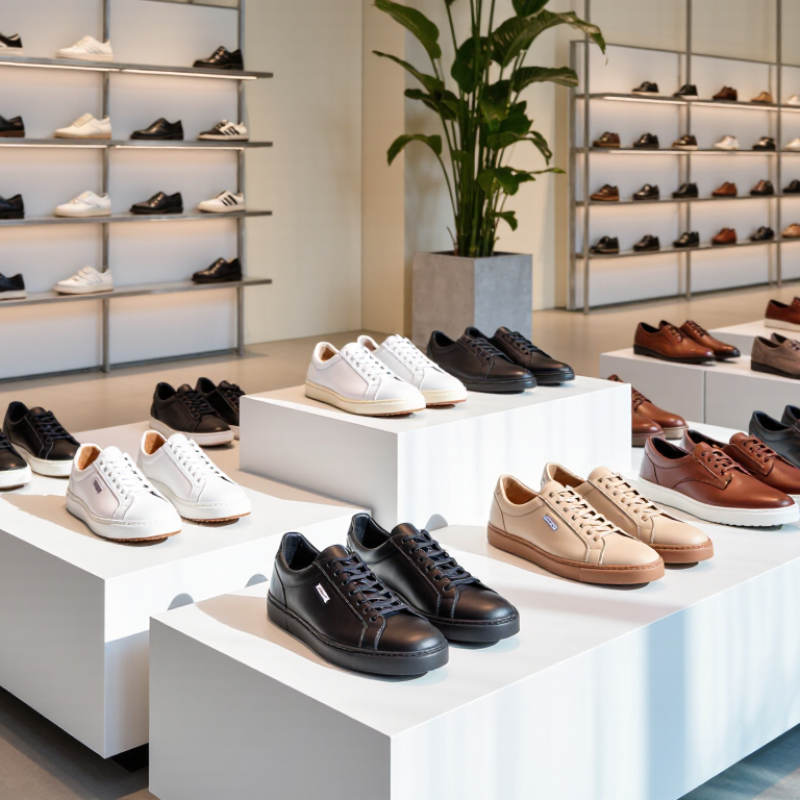
Understanding Your Private Label Shoe Sourcing Requirements
How to Find the Best Label Shoes Suppliers in 2026?
Understanding Your Private Label Shoe Sourcing Requirements
Before contacting suppliers, define what your shoes need to do. Note the intended wearer, use, materials, size range, target price, and expected order quantity. A lightweight everyday shoe and a supportive work shoe require different construction choices. Even small details matter, such as lining feel, outsole grip, and how securely the insole stays in place. Clear requirements help suppliers assess whether they can make your product consistently.
Ask how sampling, material approval, quality checks, and production timelines work. Request a sample that reflects the proposed materials, not just a similar design. Check stitching, sizing, adhesive marks, and comfort after repeated wear. Confirm packaging details and how changes are documented. A polished sample is useful, but it cannot guarantee every production pair will match. This part is easy to rush; it deserves a written checklist and honest follow-up.
Tips: Send a simple specification sheet with reference photos and measurements. Ask suppliers to identify any detail that could affect cost or timing. Compare their answers, not just their quotes. A slightly awkward discussion now may prevent a costly mismatch later.
Identifying Suitable Shoe Supplier Types and Manufacturing Regions
The best supplier type depends on how much design control you need. OEM factories manufacture from your technical pack, while ODM suppliers adapt existing designs and tooling. Private-label producers may offer either route, so clarify what “private label” includes. Ask who owns the mold, who sources materials, and whether sample costs count toward production. Small details matter.
The World Footwear Yearbook 2024 reports that Asia produced 88.8% of global footwear in 2023, with China accounting for 55.5%. This concentration offers deep component networks and production capacity, but does not make every factory suitable. Vietnam and Indonesia may fit certain production plans; European suppliers can be worth assessing when proximity, smaller runs, or specialized construction matters. Compare actual capabilities, not country stereotypes.
Request recent samples, a size-grading sheet, minimum order quantities, and a dated production schedule. Check stitching consistency, sole bonding, and how the shoe bends at the forefoot. Ask to speak with the factory team, not only a sales intermediary. A sourcing agent can help coordinate communication, though factory access should still be confirmed. One mistake is treating a polished sample as proof of reliable bulk quality; it is not. Test a small production run when feasible, and leave room for an imperfect first round.
Researching and Verifying Potential Suppliers
Researching and Verifying Potential Suppliers
Start with a shortlist built around your shoe type, target price, order volume, and required materials. Then verify each supplier’s actual role: factory, trading company, or both. The World Footwear Yearbook 2024 estimates that global production reached 22.4 billion pairs in 2023, with Asia accounting for about 87.5%. That scale makes location useful context, not proof of quality. Ask for the production address, recent capacity figures, sample lead time, minimum order quantity, and references for comparable work. Ask for evidence. Check that certificates are current and confirm them with the issuing organization.
A sample should match the proposed materials, construction, and size range. Inspect stitching, sole bonding, edge finishing, and pair-to-pair consistency under good light. Record defects and request a corrected sample before approving bulk production. Ask how the factory handles rejected materials and late deliveries; vague answers deserve follow-up. A polished showroom can be useful, but it is only one staged moment. I would not treat a visit alone as verification.
Compare written quotations line by line, including packaging, testing, tooling, and payment milestones. Request dated inspection records and a production schedule, then confirm who owns each task. If a supplier declines reasonable checks, pause and investigate rather than relying on promises. Small details matter. Keep your own notes, too; honestly, they may reveal gaps in your questions as well as theirs.
Comparing Product Quality, Pricing, and Supplier Terms
A private-label shoe supplier should be judged on repeatable quality, not one polished sample. Check stitching tension, glue marks, sole alignment, sizing consistency, and how materials feel after bending. Ask for inspection records and test results for the exact materials and construction you plan to order. A sample can look perfect. Bulk runs can still drift.
The World Footwear Yearbook 2024 estimated that global footwear production fell about 6% in 2023, to 22.4 billion pairs. That scale makes capacity claims easy to make and harder to verify. Ask suppliers for recent production schedules, sample-to-bulk timelines, and defect rates. Compare quotes line by line: unit price, tooling, packaging, sample fees, and freight assumptions. A low quote may exclude costs that matter.
Supplier terms deserve the same scrutiny as product quality. Confirm minimum order quantities, payment milestones, lead times, inspection windows, and remedies for defects in writing. Clarify who pays for rework and how changes to materials or sizing are approved. I still find vague “standard quality” clauses risky; they leave too much room for disagreement. Request a signed specification sheet with tolerances, approved materials, and dated reference samples.
Selecting a Supplier and Planning Long-Term Collaboration
A dependable label-shoe supplier should understand your product type, target price, and expected order volume. Ask how they manage sizing, material sourcing, and production capacity. Request samples in several sizes, not just one. Check stitch consistency, sole bonding, lining comfort, and whether measurements match your specification. A sample can look excellent while bulk production varies. No shortcut.
Before committing to a large order, consider a small production run. Use it to assess quality, delivery timing, packaging, and how quickly the supplier answers questions. Keep written specifications, approved sample photos, and agreed inspection points in one shared record. Discuss lead times and possible delays early, especially before seasonal demand rises. Clear feedback helps both sides. A missed detail may be yours, too, so review changes carefully before approving production. Schedule regular check-ins and track recurring defects, late shipments, and corrective actions. Not every issue signals a poor partnership, but repeated problems need a direct conversation and a practical plan.
How to Find the Best Label Shoes Suppliers in 2026?
Recommended supplier evaluation weighting for selecting a partner and planning a long-term collaboration.
How to use this chart: Prioritize quality and compliance, then verify production capacity, lead times, and transparent costs. Treat these percentages as a practical starting point—not industry survey results—and adjust them to fit your product and order requirements.
FAQS
Note the intended wearer, use, materials, size range, target price, and order quantity. A lightweight daily shoe needs different construction from a supportive work shoe. Check lining feel and outsole grip. Easy to overlook.
Add measurements, reference photos, approved materials, and important construction details. Ask suppliers to flag anything that could change cost or timing. Keep a written checklist; memory is unreliable.
Ask whether they are a factory, trading company, or both. Request the production address, recent capacity figures, sample lead time, and minimum order quantity. Verify certificates with the issuing organization.
Check stitching, sole bonding, edge finishing, sizing, and pair-to-pair consistency under good light. Bend the shoe and assess its feel. Record defects and request a corrected sample before bulk production.
No. A polished sample can differ from production pairs. Request inspection records and test results for the exact materials and construction. Ask how rejected materials are handled. One sample is only one moment.
Compare unit price, tooling, packaging, sample fees, and freight assumptions line by line. A low quote may exclude important costs. Ask for written details, not just a tidy total.
Confirm minimum order quantities, payment milestones, lead times, inspection windows, and defect remedies. Clarify who pays for rework and how material or size changes are approved. Vague “standard quality” wording worries me.
Use a signed specification sheet with tolerances, approved materials, and dated reference samples. Request a production schedule and assign each task to someone. Keep your own notes, too; they may reveal gaps in your questions.
Conclusion
Finding the best Label Shoes supplier in 2026 starts with a clear sourcing plan. Define your target customers, preferred styles, materials, quality standards, order quantities, budget, and delivery schedule before contacting manufacturers. Then explore suitable supplier types and production regions, considering their capabilities, communication practices, lead times, and ability to support your business as it grows.
Research potential suppliers carefully by reviewing their experience, facilities, production processes, and references. Request samples to assess workmanship, comfort, materials, and consistency, and compare quotations alongside minimum order quantities, payment arrangements, shipping terms, and quality-control procedures. The lowest price may not offer the best overall value, so weigh product quality and reliability against cost. Once you have selected a supplier, document expectations clearly, agree on a manageable first production run, and maintain regular communication. Building a long-term partnership through feedback, planning, and consistent performance can help create a dependable supply of shoes.

