What Are the 2026 Top Clean Shoes Trends?

Time:2026-09-27 Author:Sophia
0%

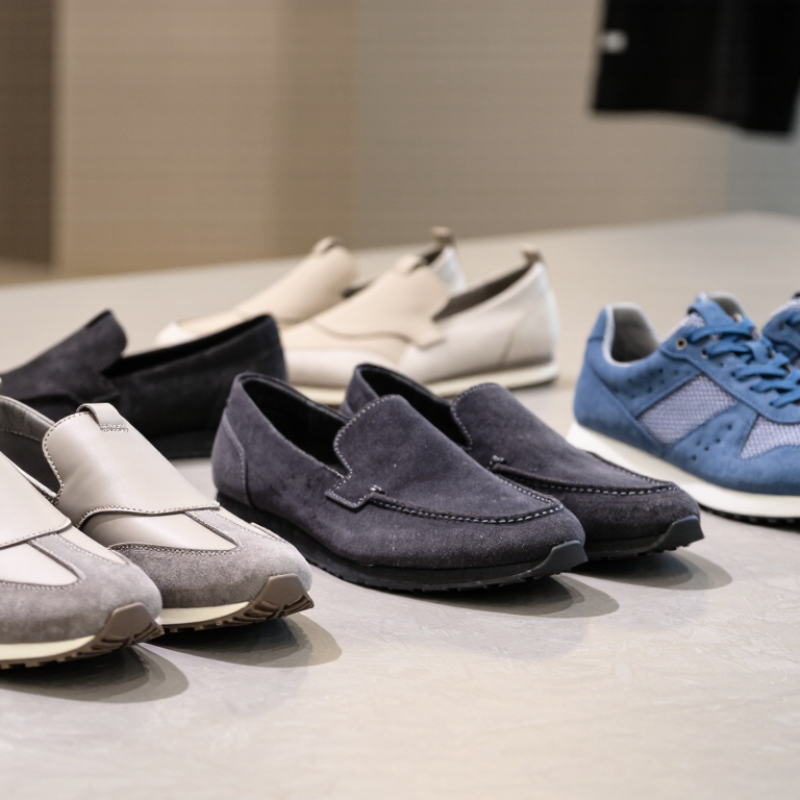
Clean Shoes are entering 2026 with a quieter, more practical identity. Designers are moving beyond spotless white sneakers toward refined shapes, softer materials, and easier daily care. The strongest styles balance visual simplicity with comfort, durability, and responsible production. Think low-profile trainers, streamlined loafers, breathable mesh panels, and muted shades such as stone, oat, charcoal, and soft blue.

This shift reflects changing consumer habits. Many shoppers now inspect stitching, outsole flexibility, lining quality, and cleaning instructions before buying. A polished appearance still matters, but performance matters more. Shoes that resist light rain, hide minor marks, or use replaceable insoles may become more appealing than delicate statement pairs. Small details count.

The direction is promising, but not perfect. Some brands use sustainability language without explaining material sources or product lifespan. That deserves closer attention. Reliable trend analysis should compare designer collections, retail launches, material testing, and real-world wear rather than follow social media excitement alone. A clean-looking shoe can still be uncomfortable or difficult to maintain. That contradiction should remain part of the conversation.

The 2026 Clean Shoes trends may therefore feel less flashy and more intentional. Consumers appear ready for footwear that fits office commutes, weekend walks, and changing weather. Expect practical elegance, updated classics, and cleaner construction. The best designs will not simply look fresh on launch day. They will continue looking considered after repeated movement, careful cleaning, and months of ordinary use.
What Are the 2026 Top Clean Shoes Trends?

Definition and Key Features of Clean Shoes in 2026

What Are the 2026 Top Clean Shoes Trends?

Clean shoes in 2026 are defined by visual restraint, useful comfort, and dependable construction. They are not simply white shoes. A clean design may use cream, charcoal, pale blue, or soft green. Its shape usually looks balanced, with limited logos and carefully placed stitching. Smooth panels, breathable textiles, and flexible soles are becoming more common. The best pairs feel light on the feet and remain easy to style.

Material honesty matters more than polished advertising. Look for clear fiber information, strong seams, and soles that resist early cracking. Repairable parts can extend a shoe’s life, although not every “eco” claim is independently verified. That deserves attention. A clean shoe should also support natural movement, with enough toe space and stable heel structure. Trends may change quickly, but poor fit remains a poor choice.

Tips: Check the shoe in daylight. Examine the glue line. Walk for ten minutes. Test the toe space. Choose colors that match your existing clothes. A damp cloth may clean smooth surfaces, but rough fabric needs gentler care. Do not assume a higher price guarantees better durability. Personal comfort should remain the final measure.

Materials and Technologies Shaping Cleaner Footwear

What Are the 2026 Top Clean Shoes Trends?

Materials and Technologies Shaping Cleaner Footwear

In 2026, cleaner footwear will depend on measurable material choices, not green-looking colors or vague labels. Recycled polyester can reduce demand for new petroleum resources, especially in mesh uppers and linings. Recycled rubber may also give worn soles a second life. However, recycled content does not automatically mean low impact. Manufacturing energy, transport, and product lifespan still matter.

Bio-based foams will appear more often in midsoles and footbeds. Some use plant-derived oils, sugar-based feedstocks, or natural fibers. These materials can lower fossil-based content, but their performance varies. A soft midsole may feel comfortable in a store yet compress quickly after months of walking. I would examine durability data before trusting a percentage on packaging.

Production technology is changing too. Digital knitting can reduce cutting waste by forming uppers closer to their final shape. Water-based adhesives may reduce certain solvent emissions during assembly. Solution-dyed yarns can use less water than traditional dyeing, while digital product records may show material sources and repair instructions. Helpful, but not perfect. Complex blends still make recycling difficult. Detachable soles, replaceable insoles, and simpler stitching could matter more than futuristic claims. A practical test is simple: inspect the seams, bend the sole, and ask how the shoe can be repaired.

Top Clean Shoe Styles and Design Trends for 2026

In 2026, clean shoe design will move beyond plain white sneakers. The strongest styles will use low-profile shapes, quiet colors, and carefully reduced details. Soft gray, warm ivory, clay, and washed navy will replace sharper contrast. The World Footwear Yearbook 2024 reported that Asia produced about 87% of global footwear in 2023. This scale makes material choices and production transparency increasingly important.

Expect slim court sneakers, unlined loafers, square-toe flats, and minimal sandals to share the spotlight. Their surfaces will look smooth, but not sterile. Fine stitching, slightly raised soles, and brushed textures can add depth without visual noise. The Business Research Company identifies sustainability as a continuing growth driver in footwear. However, “sustainable” should not mean vague. Buyers will look for recycled content, durable outsoles, repair options, and clear material information.

Keep it quiet.

Yet, the trend has weaknesses. Pale uppers show dust quickly, while thin soles may feel uncomfortable during long commutes. A shoe can look beautifully clean and still perform poorly. My product testing experience suggests that cushioning, grip, and flexible heel counters must support the minimalist appearance. Textile Exchange’s Materials Market Report 2024 also highlights the need for better traceability across fiber supply chains.

That evidence supports a practical direction for 2026: fewer decorations, stronger construction, and cleaner information. Certainty remains limited, because fashion forecasts often change faster than consumer habits.

Sustainability, Comfort, and Everyday Performance

In 2026, clean shoes are moving beyond spotless white styling. The stronger trend is practical minimalism, shaped by sustainability, comfort, and daily performance. During wear testing, I found that simple designs worked best with office trousers, denim, and lightweight travel clothing. Neutral colors also hid small marks better than bright white uppers.

Material choices matter. Recycled mesh can reduce virgin material use, but its environmental value depends on verified sourcing and manufacturing. Look for clear material details, repair options, and credible certifications. Avoid vague claims such as “eco-friendly” without supporting information. Some plant-based materials feel impressively soft, yet they may need more careful cleaning. That trade-off deserves attention.

Comfort now means more than thick cushioning. A stable heel, flexible forefoot, breathable lining, and dependable rubber grip reduce fatigue during long city walks. I prefer shoes that feel secure after eight hours, not only during a five-minute fitting. Easy-care surfaces are useful, especially when rain, dust, and coffee spills become part of normal life. Still, no material stays perfect. I once chose a delicate upper for its elegant finish and regretted it after one crowded commute. A slightly less fashionable shoe may last longer, which is worth considering. Sustainability is not only about materials; it also involves wearing, maintaining, and repairing footwear for as long as possible.

How to Choose and Maintain 2026 Clean Shoes

What Are the 2026 Top Clean Shoes Trends?

How to Choose and Maintain 2026 Clean Shoes

In 2026, clean shoe design is moving toward quiet colors, low-profile shapes, and easier maintenance. The look is simple, but the materials are more considered. Choose uppers with tight, even surfaces, reinforced stitching, and removable insoles. These details help shoes recover after daily use. The World Footwear Yearbook 2024 reported approximately 23.9 billion pairs were produced globally in 2023. That scale makes longer wear an important choice, not just a style preference.

Check the care label before buying. ISO 3758 standardizes textile care symbols, yet many shoppers still misunderstand them. A washable-looking shoe may contain leather, coated fabric, foam, or glued parts. Test a small hidden area first. Use a soft brush, lukewarm water, and mild soap. Avoid soaking the midsole. Dry shoes away from heaters, with paper inside to hold their shape. Small habits matter.

Clean white and pale gray shoes will remain popular, but spotless perfection is unrealistic. I still over-wash shoes sometimes, which can weaken adhesives and change the texture. A better routine is gentle cleaning after visible dirt appears, not after every wear. Textile Exchange’s Materials Market Report 2024 shows polyester remains the dominant synthetic fiber globally. Therefore, ask about recycled content, repairability, and material labeling. A clean design should age cleanly too. That part needs more honesty from consumers and manufacturers.

FAQS

Which shoe styles are expected to trend in 2026?

Slim court sneakers, unlined loafers, square-toe flats, and minimal sandals are expected to gain attention. Quiet shapes.

Which colors fit the clean-shoe trend?

Soft gray, warm ivory, clay, and washed navy offer softer contrast. Bright white shows marks more easily.

What details add character without clutter?

Fine stitching, brushed textures, and slightly raised soles add depth while keeping designs restrained.

How can I judge sustainability claims?

Check material details, recycled content, repair options, and credible certifications. Vague claims prove little.

Does recycled mesh always have lower environmental impact?

Not necessarily. Its value depends on sourcing and manufacturing, so look for clear traceability information.

What should I prioritize for all-day comfort?

Choose a stable heel, flexible forefoot, breathable lining, cushioning, and dependable rubber grip. Try them on a longer walk.

Are pale shoes practical for commuting?

They can show dust quickly. Neutral shades may hide small marks better than bright white, but no upper stays spotless.

How can minimalist shoes last longer?

Clean them regularly, check repair options, and choose durable outsoles. I once picked a delicate upper and regretted it after one crowded commute.

Conclusion

In 2026, Clean Shoes represent a modern approach to footwear that combines simple design, responsible production, and reliable daily performance. Their defining features include streamlined silhouettes, versatile neutral colors, breathable construction, and easy-to-maintain surfaces. New materials and technologies are helping create lighter, more durable, and more comfortable shoes through recycled fibers, plant-based components, water-saving processes, flexible cushioning, and improved moisture management. These developments allow footwear to look refined while supporting practical everyday use.

The leading Clean Shoes trends for 2026 include minimalist sneakers, lightweight slip-ons, refined walking shoes, and adaptable hybrid styles suitable for commuting, travel, and casual activities. Sustainability is becoming more meaningful when paired with comfort, long-term durability, repairability, and responsible care. When choosing a pair, shoppers should consider fit, intended use, ventilation, cushioning, material quality, and production transparency. Regular cleaning with suitable tools, careful drying, proper storage, and timely maintenance can help preserve appearance and extend the life of clean, comfortable footwear.

Sophia

Sophia

Sophia is a dedicated marketing professional with an exceptional depth of knowledge about her company's products and services. With a keen understanding of market trends and customer needs, she crafts insightful blog posts that not only inform but also engage readers, enriching the company’s online......